Technical craft
Before changing your camera settings, read the light
When a portrait feels flat or confused, changing exposure alone may not solve it. Start by looking at where the light comes from and what it reveals.
Separate direction from brightness
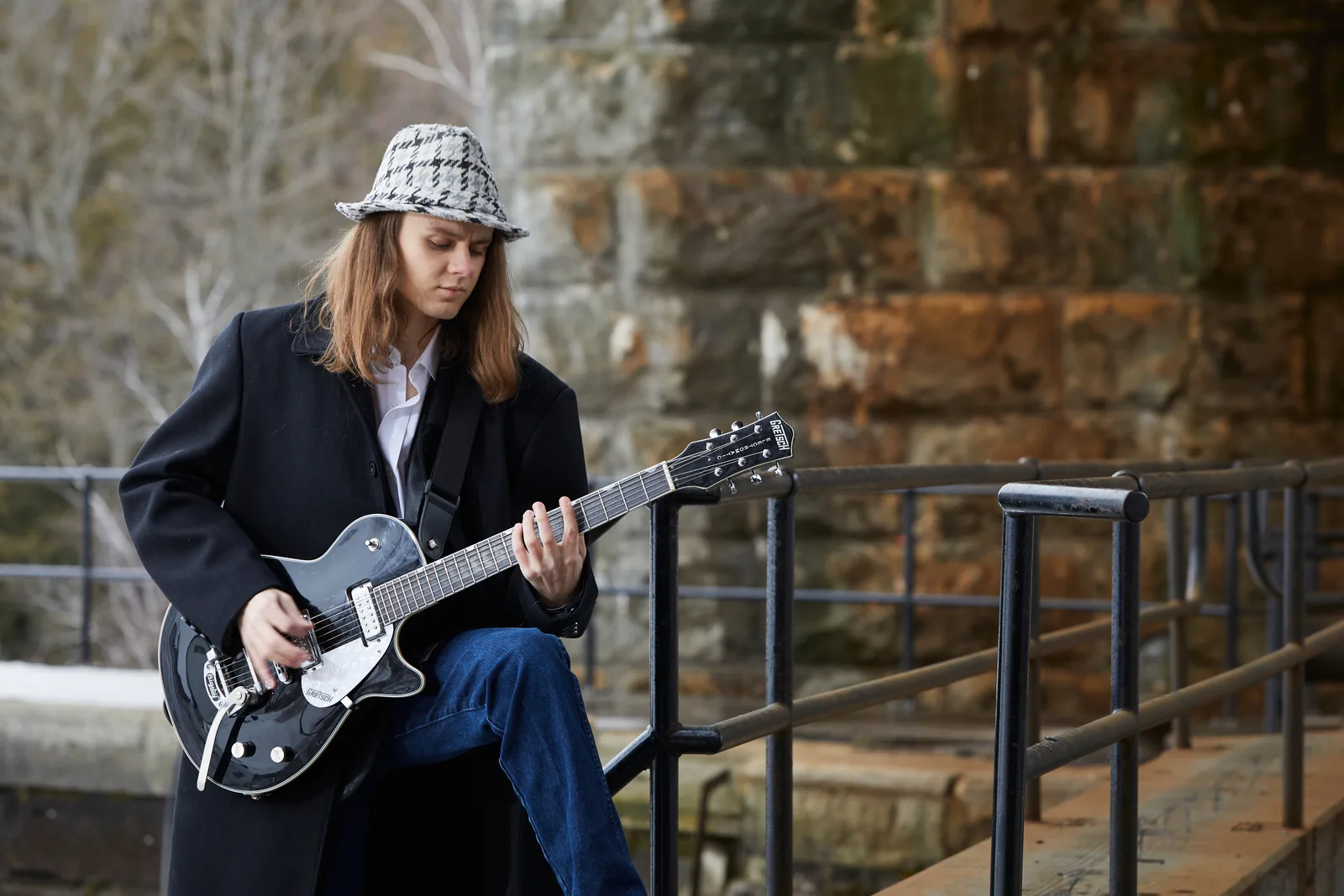
Stand beside your subject and identify the dominant light source. Notice which side of the face receives it and where the shadows fall. Now turn the subject a small amount without changing your exposure. Watch the relationship between the lit and shaded areas. This is a useful exercise precisely because it changes one thing at a time.
Brightness tells you how much light is available; direction helps describe the form of the face. Increasing exposure does not move a shadow or change the position of a catchlight. Solve the arrangement of light and subject before deciding that the camera needs a different setting.
Watch the edges of the shadows
A gradual transition from light to shadow has a different character from a sharply defined edge. A large source close to the subject generally creates softer transitions than a small source at a distance. Moving a person nearer a suitable window can therefore change the portrait without adding another light.
Compare the background as well as the face. A bright patch at the edge of the frame may draw attention away from the expression. A small change in camera position can simplify that problem more effectively than trying to darken the area later.
Make a controlled sequence
For practice, keep the framing and camera settings consistent while changing the subject’s angle to the light. Then make a second sequence in which you adjust only the fill—perhaps by moving a reflector closer or farther away. Compare the results together and note what changed in the shadows, skin and background.
Mixed light deserves attention before editing. Daylight and warm room lighting can give different areas of the face different colour casts; a single white-balance adjustment may not resolve both. Where practical, simplify the sources. Make a reference frame, check your highlights and judge the photograph at a useful size. Equipment matters, but observation is what makes the equipment purposeful.
Text and photograph © Capt. Solomon D. Crowe. All rights reserved. Image licensing information.